Shopping cart
0
Add to unlock complimentary delivery.
✓ Complimentary delivery unlocked
Complimentary card
Pre-delivery photo preview
 Online support from 8:00 to 21:00
Order your flowers online or via WhatsApp 💐🌷🌹
Flower delivery in Bucharest and Ilfov
🌹 #1 Online Florist in Bucharest
Online support from 8:00 to 21:00
Order your flowers online or via WhatsApp 💐🌷🌹
Flower delivery in Bucharest and Ilfov
🌹 #1 Online Florist in Bucharest
Online support from 8:00 to 21:00
Order your flowers online or via WhatsApp 💐🌷🌹
Flower delivery in Bucharest and Ilfov
🌹 #1 Online Florist in Bucharest
Online support from 8:00 to 21:00
Order your flowers online or via WhatsApp 💐🌷🌹
Flower delivery in Bucharest and Ilfov
🌹 #1 Online Florist in Bucharest
Online support from 8:00 to 21:00
Order your flowers online or via WhatsApp 💐🌷🌹
Flower delivery in Bucharest and Ilfov
🌹 #1 Online Florist in Bucharest
Online support from 8:00 to 21:00
Order your flowers online or via WhatsApp 💐🌷🌹
Flower delivery in Bucharest and Ilfov
🌹 #1 Online Florist in Bucharest
Online support from 8:00 to 21:00
Order your flowers online or via WhatsApp 💐🌷🌹
Flower delivery in Bucharest and Ilfov
🌹 #1 Online Florist in Bucharest
Online support from 8:00 to 21:00
Order your flowers online or via WhatsApp 💐🌷🌹
Flower delivery in Bucharest and Ilfov
🌹 #1 Online Florist in Bucharest
Online support from 8:00 to 21:00
Order your flowers online or via WhatsApp 💐🌷🌹
Flower delivery in Bucharest and Ilfov
🌹 #1 Online Florist in Bucharest
Online support from 8:00 to 21:00
Order your flowers online or via WhatsApp 💐🌷🌹
Flower delivery in Bucharest and Ilfov
🌹 #1 Online Florist in Bucharest
Online support from 8:00 to 21:00
Order your flowers online or via WhatsApp 💐🌷🌹
Flower delivery in Bucharest and Ilfov
🌹 #1 Online Florist in Bucharest
Online support from 8:00 to 21:00
Order your flowers online or via WhatsApp 💐🌷🌹
Flower delivery in Bucharest and Ilfov
🌹 #1 Online Florist in Bucharest
Online support from 8:00 to 21:00
Order your flowers online or via WhatsApp 💐🌷🌹
Flower delivery in Bucharest and Ilfov
🌹 #1 Online Florist in Bucharest
Online support from 8:00 to 21:00
Order your flowers online or via WhatsApp 💐🌷🌹
Flower delivery in Bucharest and Ilfov
🌹 #1 Online Florist in Bucharest
Online support from 8:00 to 21:00
Order your flowers online or via WhatsApp 💐🌷🌹
Flower delivery in Bucharest and Ilfov
🌹 #1 Online Florist in Bucharest
Online support from 8:00 to 21:00
Order your flowers online or via WhatsApp 💐🌷🌹
Flower delivery in Bucharest and Ilfov
🌹 #1 Online Florist in Bucharest
Online support from 8:00 to 21:00
Order your flowers online or via WhatsApp 💐🌷🌹
Flower delivery in Bucharest and Ilfov
🌹 #1 Online Florist in Bucharest
Online support from 8:00 to 21:00
Order your flowers online or via WhatsApp 💐🌷🌹
Flower delivery in Bucharest and Ilfov
🌹 #1 Online Florist in Bucharest
Online support from 8:00 to 21:00
Order your flowers online or via WhatsApp 💐🌷🌹
Flower delivery in Bucharest and Ilfov
🌹 #1 Online Florist in Bucharest
Online support from 8:00 to 21:00
Order your flowers online or via WhatsApp 💐🌷🌹
Flower delivery in Bucharest and Ilfov
🌹 #1 Online Florist in Bucharest

The trend of freeze-dried roses (also known as forever roses) has grown in popularity in recent years. They are visually appealing, last for months and make an interesting decorative object. However, when it comes to marking a truly important moment, what is the right choice?
At The Bloom Room, we are advocates of natural flowers. However, we recognize that both fresh and freeze-dried flowers have their place. Here is an objective analysis to help you make the best decision for your loved one.
These are natural roses that have undergone a glycerin-based chemical preservation process. This treatment replaces the natural sap, preserving the flower’s shape and texture for 1 to 3 years.
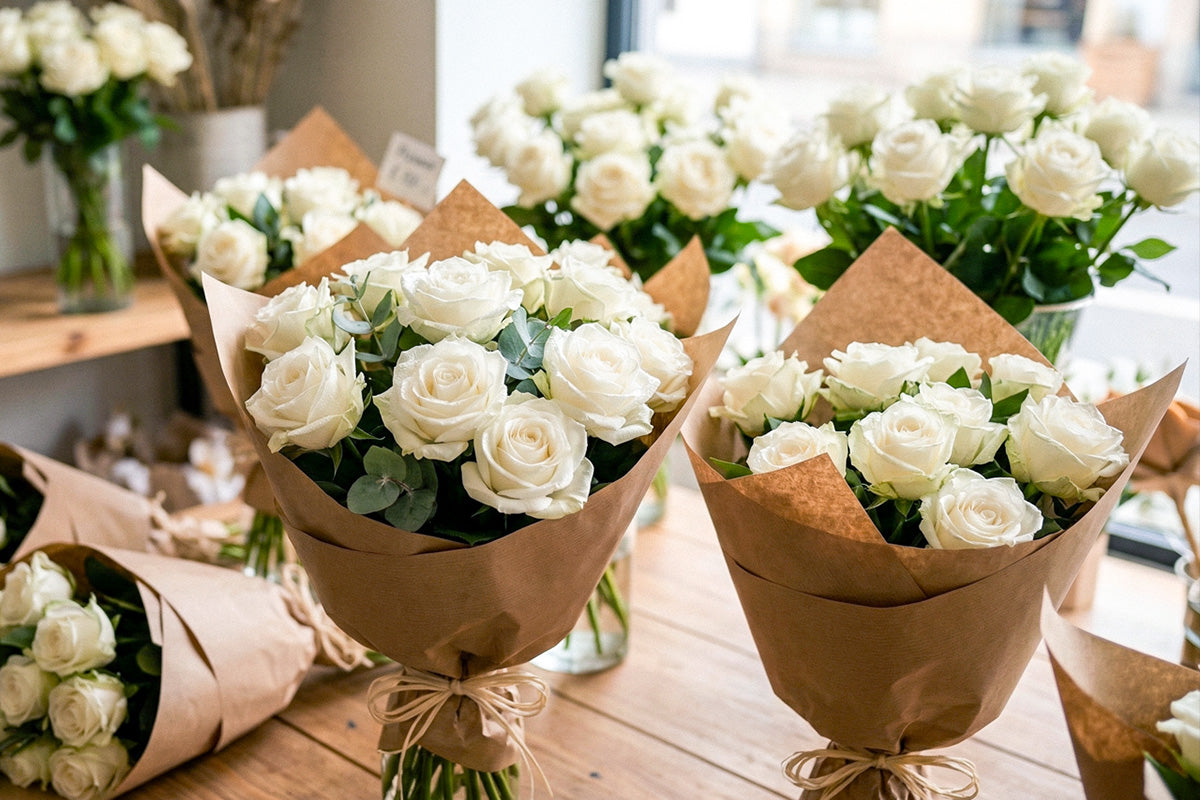
Freshly cut flowers, carefully selected from top growers, hand-arranged by florists and delivered quickly. They provide a complete sensory experience for 5–10 days.
| Feature | Preserved Roses | Natural Flowers (The Bloom Room) |
|---|---|---|
| Lifespan | 1–3 years | 5–10 days |
| Average price | 400–800 lei (small arrangement) | 250–400 lei (large bouquet) |
| Initial emotional impact | Medium (object effect) | Very high (a living surprise effect) |
| Daily experience | No | Yes (changing the water, flowers opening) |
| Eco-friendly | No | Yes |
At The Bloom Room, we choose life, freshness, and emotion. Feelings are not “stored” for years on a dusty shelf. A bouquet of natural flowers says clearly: “You are important to me today”.
Preserved roses are an acceptable decorating solution, but they cannot replace the connection created by fresh flowers—the fragrance that fills the room and the fleeting beauty that teaches us to cherish the moment.